Recently, Tumblr was removed from the Apple app store due to an incident involving child pornography. This incident is incredibly unfortunate, but it doesn’t stand alone. Tumblr was also removed from the app store due to the large influx of porn bots and pornographic spam, users claiming to be proud to be pedophiles, blatant Nazism, racists who are not deleted for sending hate and harassing users, and more. I myself reported someone for harassing me, but because I had blocked the person and couldn’t access the messages where they harassed me, they were still able to send me anonymous asks. Your support staff, with back doors to the website (presumably), claimed they could not access the messages, and I was left SOL. Many features on this website do nothing to actually protect your users from harassment, racism, homophobia, transphobia, Nazis, pedophiles, predators, porn bots, and more.
You claim in your statement to us that you “have been working on these problems for a long time”. This is blatantly untrue. Please do not lie to us and patronize us. We’ve been here. We’ve seen you do nothing over, and over, and over again.
We complained to you for months and months about the rampant porn bots, and you did nothing except add a report button on mobile which only reported sensitive content or spam at best. You could have addressed this problem with an effective algorithm, but you did not. We complained to you about being harassed and sent hate speech for being LGBT+, and you did nothing. We complained to you about blogs being randomly deleted, and sometimes you’ve restored them, other times you have not. We complained to you that there were people proudly claiming to be “Minor Attracted Persons”, or pedophiles, and you did nothing. We complained to you about people proudly claiming to be white supremacists, and you did nothing. All of these things are “against the community guidelines”, and yet over and over, you have not found effective ways to handle these problems or suppress the feeling of welcome that these users claim to get here. You have had a long time to work on these problems, but you haven’t addressed them. To say you have is untrue.
Multiple other social networking websites, such as WordPress, Facebook, Instagram, Pinterest, and others have effectively dealt with rampant pornography, racism, pedophilia, and other problems without causing massive issues for their users who are not misusing the platform. They are continuing to find new, effective ways to deal with these issues without causing problems for their userbase as a whole. There is no reason that you are unable to do this effectively other than that you wanted to do it quickly. You have once again chosen your stock holders over your users. And we have had enough.
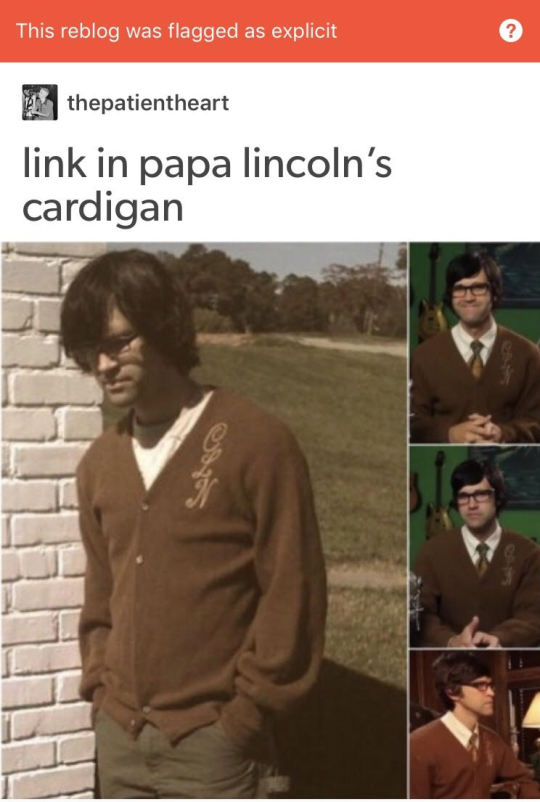
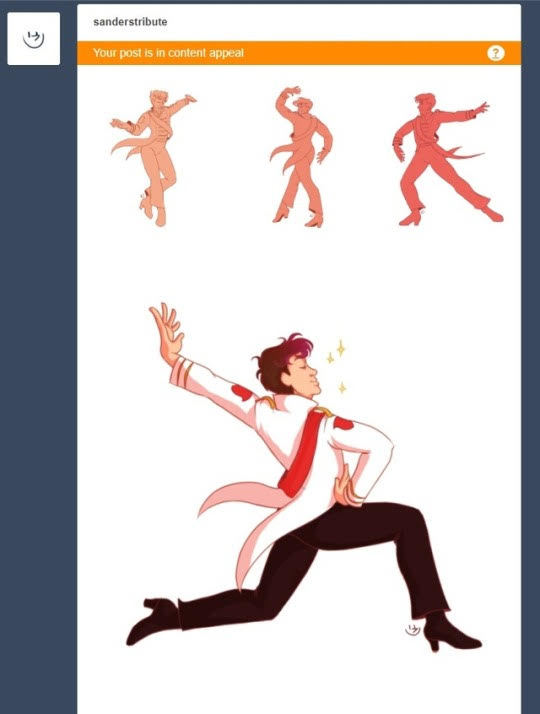
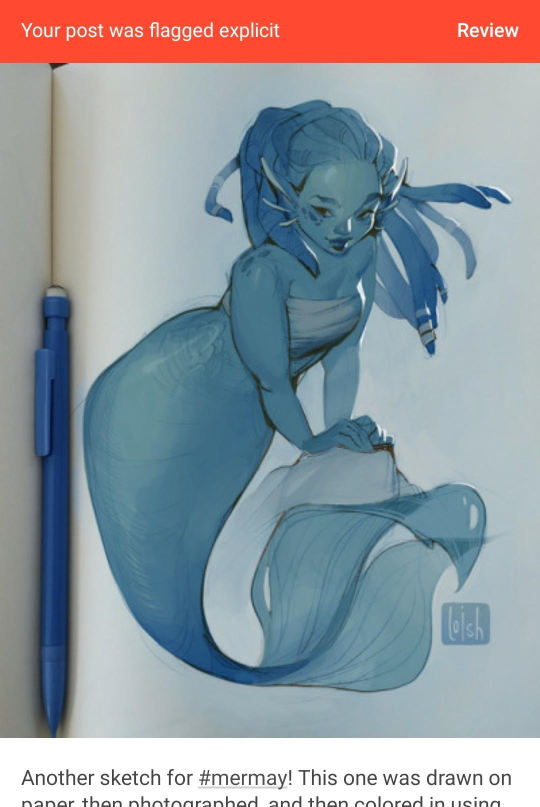
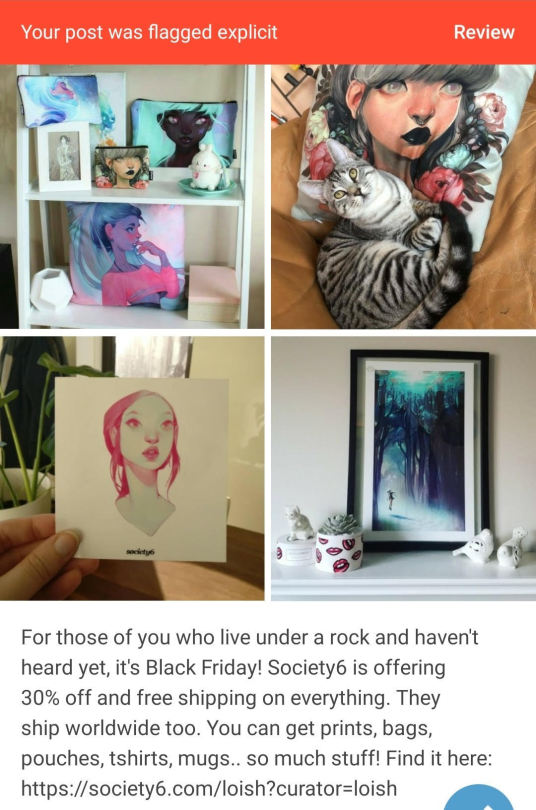
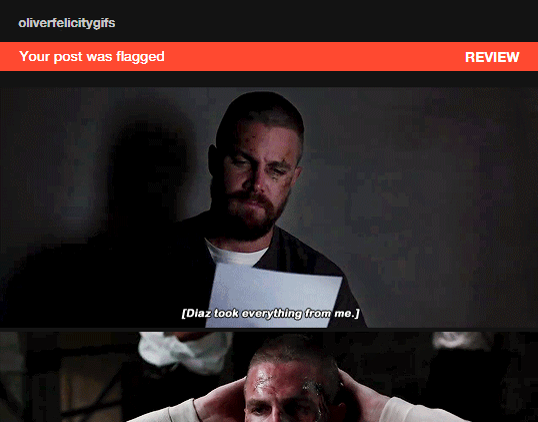
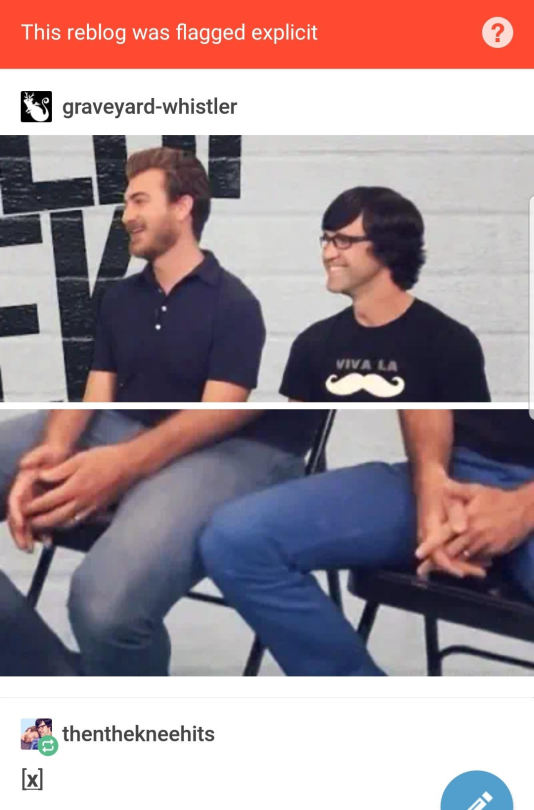
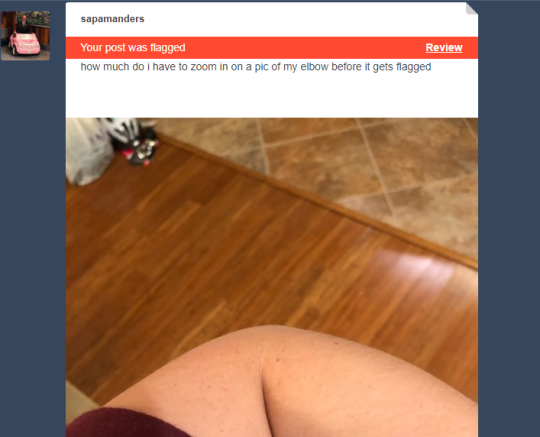
You have already started to ban “Adult” content with a new algorithm. Here are screenshots of just a fraction of the posts you have flagged as containing adult content:
Your new system of simply tackling everything at once is not working. At all. And each of these screenshots is proof of your utter incompetence. None of these posts contain pornographic acts, “female nipples”, or any community violation of any kind.
We, the users, have been asking you for months to deal with these problems – particularly, the porn bots and bots that spam. In order to block a bot from a side blog, I have to do it manually, even though they are in my side blog’s feed. This is a huge issue for mobile – only users. They keep cropping up in droves, taking over our posts and tricking google into making it look like a legitimate blog linked to a pornographic website. We have complained to you for months and months now, and your solution to simply “ban all adult content” is ineffective. I agree that children should not be able to access pornography – but this is not how you tackle a porn bot problem. Your system is utterly useless, allows for racists, pedophiles, porn bots, and Nazis to remain untouched. It also harms sex workers and real people who may use this website for some forms of adult content responsibly. Moreover, as seen above, it harms plenty of users who have in no way violated your terms of service.
If you keep this up, you threaten your website and company as a whole. Many of us are backing up our blogs and planning places to go to.
You already have a content filter for “sensitive” content (content inappropriate for younger viewers). You could have improved this, instead of attacking your entire user base. It seems to be a very lazy “solution”, if you could call it one at all, and one that harms your entire userbase.
If you are going to keep this filter in place and make Tumblr, a website that has never been known for being family friendly and has never claimed to be, you are going to lose millions of your users. We are already planning our exodus. It isn’t hard to follow. Censor us, and we will go somewhere else. That is not a threat. It is a promise.
this won’t be official policy or anything but it will probably be the aggregate effect, yes.
why does this happen, you ask?
because the site rules are enforced by humans, and humans … are not very good at being 100% fair or unbiased. (at least, not when we’re acting in large numbers. any one person could be good at it, but the likelihood that most of a group is good at fairness drops as the group gets bigger.)
thus,
Even when we’re trying to be unbiased:
material that’s potentially in violation of the tumblr TOS featuring subjects that are not ‘default’ (NOT straight, cis, perisex, white, able-bodied, healthy, etc) have a greater chance of being noticed and reported. it’s more ‘visible’ because of a combined effect of ‘this might be a violation’ and the brain’s increased awareness when something is ‘out of the ordinary’. if straight-cis-white is ‘ordinary’: things that aren’t straight-cis-white grab our attention, and are that much more likely to be scrutinized for violations of the TOS. (see: fandom’s tendency to go after media that isn’t mediocre whitebread content for failing to be ‘good enough’.)
this is severely compounded by:
a lack of internal awareness of privilege/bias/etc amongst those who hold the majority opinion. (it’s the majority opinion because the majority holds that opinion.) if the majority is biased against something, that thing is more likely to get reported as a problem by people who don’t even acknowledge that they’re biased against it.
not to mention:
people who will participate in deliberately biased & malicious reporting. there’s plenty of people who are openly racist, openly homophobes, openly transphobes, etc. you think they won’t take special time to go after TOS violations from content that they openly loathe? because they do – and they will continue to do so.
why this happens in America/on American platforms in particular:
at the admin level: in America, the higher up the management ladder you go, the more likely the people making the decisions are straight white cis guys who do not have a strong awareness of their own privilege and/or bias against people who don’t share their privilege. These are the people who will be responsible for writing & enforcing the rules for nsfw content at Oath and/or Tumblr. they are likely to be unconsciously biased towards content that they personally like and against content they personally don’t like, so in aggregate, their decisions will be more likely to favor straight white cis guy tastes & enjoyments.
at the cultural level: America is obsessive about keeping sexual content from ‘the children’ than violent content, because our cultural values are very much rooted in puritanial Christian morality. We also still have a lot of racism, homophobia, queerphobia, transphobia, sexism, etc. baked directly into our culture. so if something can be concievably argued as a threat to preserving the innocence/sexual ignorance of a puritanical, white Christian kid, then it has much higher potential to be flagged as n sfw. (of course, this means LGBTQ+ content (romantic or otherwise) and non-white content is more likely to be tagged as in violation of the TOS.)
tl;dr: even if every single person moderating tumblr was acting with the best intentions, trying to be 100% fair and reporting/acting without bias, the drift will be towards creating a sexually chaste, LGBTQ+-unfriendly, white-centric, and cis-bodied/perisex only space as everything else gets reported more often as a problem and purged off the site.
that’s why censorship enforces baked-in privilege in brief, folx.
Sorry to bother you, but, this post has been incorrectly flagged as explicit content by tumblr. I’m reblogging it here in hopes that you (the OP) will see this note and file an appeal.
I would file an appeal myself, but apparently ONLY the OP can.
Wow, look at that!
No images to be misinterpreted by a bot
Nothing sexually explicit at all – not even mentions of sexually explicit content.
One mention of n sfw (even censored as here)
But I did mention lgbtq+ content 🤔
And talk about how Tumblr’s new policy will absolutely be enforced in racist and queerphobic ways
I am reading scholarly works about Jane Austen and having hearteyes about obscure details in the Pemberley chapters of P&P that indicate Mr. Darcy’s sustainable land management praxis.
Okay, let’s talk about Pemberley!
Austen, as a rule, doesn’t spend many paragraphs describing locations. There’s often information to be gleaned from their names (Sense and Sensibility is full of lurking references to sexual scandals and Mansfield Park to slavery), but Longbourn just means “long stream” or “long boundary,” Netherfield means “lower field,” and Rosings’ original owner was a redhead. Meryton, a pun on “merry town,” is kind of fascinating, given the installment of the militia and the threat to stability and serenity they represent. Partying and shenanigans. Possibly a Shakespeare ref.
Longbourn barely gets any description at all. From the get-go, everyone who lives there is obsessed with other places, with getting out (except Mr. Bennet, who never wants to leave his library, never mind the house). Lady Catherine deems it small and mildly uncomfortable, which is in keeping with the theme of confinement, but also it’s Lady Catherine talking. Netherfield can’t tell us much about Bingley, who is only a tenant. Rosings is expensively, ostentatiously modern and gaudily furnished, though it has a handsome park that Lady Catherine and her stifled daughter never set foot in but Elizabeth and Darcy both frequently escape to during their stays.
So it’s notable and wonderful that Austen goes out of her way to describe Pemberley as an old-fashioned, highly successful, working estate. Its practical old Anglo-Saxon name means “Pember’s clearing.” A pember is a man who grows barley. Darcy most likely still does. As Elizabeth and the Gardiners approach and tour the house, they notice and admire its beautiful surrounding woods, and then when they wander outside, the specific word Austen uses is coppice woods. A coppice is a woodland filled with tree species that grow new shoots from their stumps when you chop them down. Darcy probably has oaks on a fifty-year cycle as well as faster-growing species such as hawthorn and hornbeam for firewood, timber and cattle fodder. Coppice forestry is functional and sustainable, and provides habitat for beasts and birds.
Darcy is the anti-John Dashwood (Dashwood, srsly), the brother in Sense and Sensibility who inherits Elinor and Marianne’s childhood estate of Norland, whose wife immediately starts making plans to hack down trees (not even coppice trees, but big, gorgeous, venerable hardwoods) to make way for a folly. Jane Austen hated follies. Also, it ought to be noted that timber was so valuable in Britain at the time that estates often had inheritance clauses that detailed who was and wasn’t allowed to chop down what.
Darcy’s a food producer and land conservator, prefers nature over fussy, ornamental landscape design, his servants and tenants like him, he gives money to the poor… and… he’s a trout fisherman! He shoots, too, as do Bingley and Hurst and Mr. Bennet, but it’s a particular mark in his favour that Austen singles him and Mr. Gardiner out as anglers. It’s a pastime that signifies a taste for contemplation and quietness and appreciation of nature, as blissfully described in The Compleat Angler; or, The Contemplative Man’s Recreation, a hugely popular travel book first published in the 1600s and reprinted often for 18th C libraries. The plot of The Compleat Angler is about the conversion of a hunter (pastime of the ultra-rich) to a fisherman who learns to love the peaceful sport. We receive ample evidence elsewhere that Darcy is a man capable of swift, decisive action and formidable effectiveness. But at Pemberley, Austen takes care to show us how he’s balanced.
Most of the information in this post comes from Margaret Doody’s Jane Austen’s Names.
I didn’t know any of this! I always thought it was a bit odd how her viewing the estate changed her views of the man himself, as if it was about how big the place was. Instead it was how he cared for the land / people. Fascinating! Completely missed that.
It’s literally his character reference! Most women at the time had to marry for financial security, yet marriage was horribly risky, because divorce was almost impossible. If you married someone you didn’t know well, and he turned out to be lazy, irresponsible, or abusive, you were stuck.
This is why so many Austen heroes are mature, almost frumpy men the heroines have known for years. Local fellows with family ties. They don’t offer breathless romances; the happy endings they offer are happy because they are safe.
Darcy is not a local boy.
Darcy is not a fully formed, baggable Austen hero when he proposes at Hunsford, not just because he’s rude af, but because Lizzy doesn’t know him well enough yet. She has no real way of knowing how he would treat her. Austen sends Lizzy to Pemberley not to dazzle her with Darcy’s wealth, but to provide her with good, hard evidence of his treatment of the people under his protection, including his tenants, his sister, and the intelligent, dignified housekeeper who has known him since he was a toddler.
Character references established, we may proceed with the romance.
(n.b. He doesn’t know her either, until she’s rejected him. He proposes, despite his giant pile of reservations, because he’s so horny for her he can’t stand it (at least, to his credit, he’s turned on by her brains as much as her hot little bod), but only after her refusal does he realize how completely he has failed to understand this woman or make himself worthy of her. He falls in love for real only after she has demanded that he live up to his own high standards. Refreshing, ain’t it?)
Okay, folks. So. Tumblr’s jumped the shark in a big way, and I’m not even just talking about indiscriminately blocking all “adult” content on a platform that IS, in fact, primarily 18+.
Many blogs, like the wonderful @blackkatmagic , that are not especially NSFW have vanished.
(And I for one LIKE being able to go to curated porn blogs run by actual people and have a chance of finding stuff to my taste, it was one of the things that kept me on this hellsite, but that’s another issue entirely.)
I know lots of people are talking about migrating, but none of us are sure to where yet. Pillowfort seems to be an option, some people are talking about Twitter. But for now, it’s a mess, and even if we knew where we were going, it’s often a huge process, and a lot of us have stuff on tumblr that ONLY exists there.
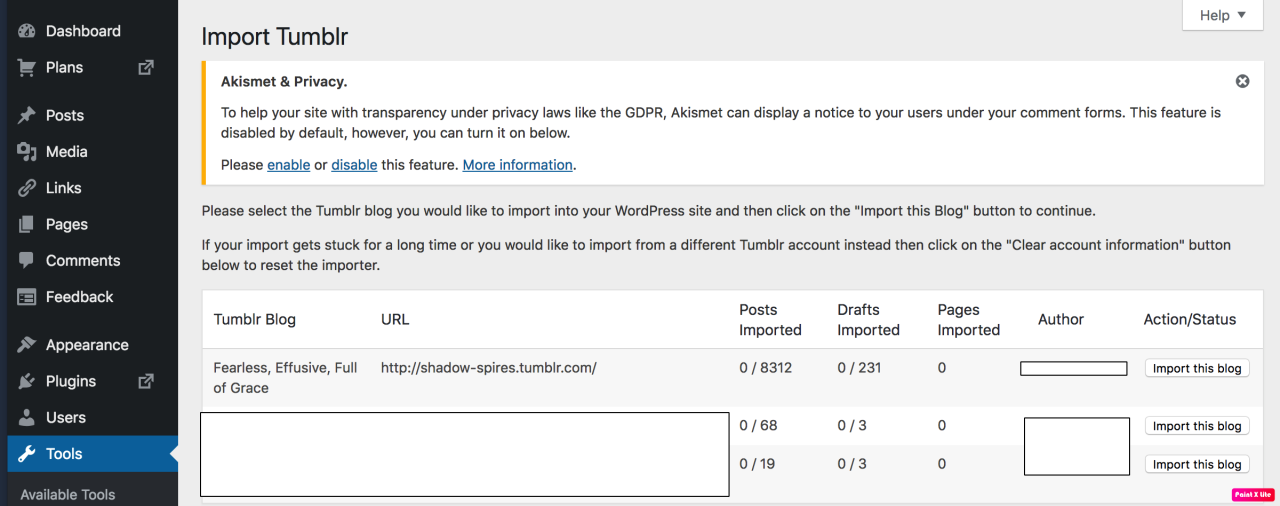
One possible quick solution to save your blogs, both NSFW and personal, is to import it to WordPress. I found this solution through from frantic googling on how to save an entire blog, text posts an all. There are several apps for downloading all the pictures from a tumblr, (Plently for Windows, but only a few paid ones for mac, of which Tumbelog Picture Downloader is working for me so far) but this is the only solution I’ve seen so far that allows you to save EVERYTHING. I downloaded my NSFW blog in like 10 min. My regular blog, which is significantly larger, is in the process of importing, but I don’t anticipate any problems. I will, of course, update you if I have any.
This tutorial I found worked really easily. http://quickguide (.) tumblr (.) com/post/39780378703/backing-up-your-tumblr-blog-to-wordpress
I put parenthesis around the .’s like we’re back in FF-Hell, just in case tumblr’s new thing about outgoing links kicks in. You know what to do.
To break it down, just in case:
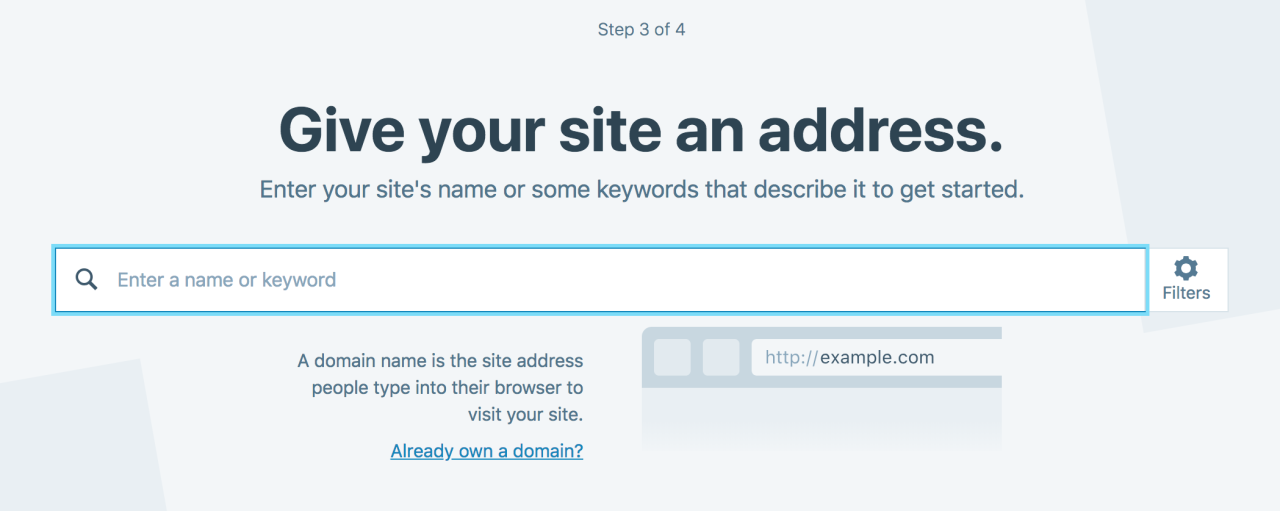
Sign up for a WordPress.com account at wordpress (.) com/start
You’ll have to create an account, with your email, a username, and a password. They should send you a confirmation email immediately, check it, activate it, and you’re good to go.
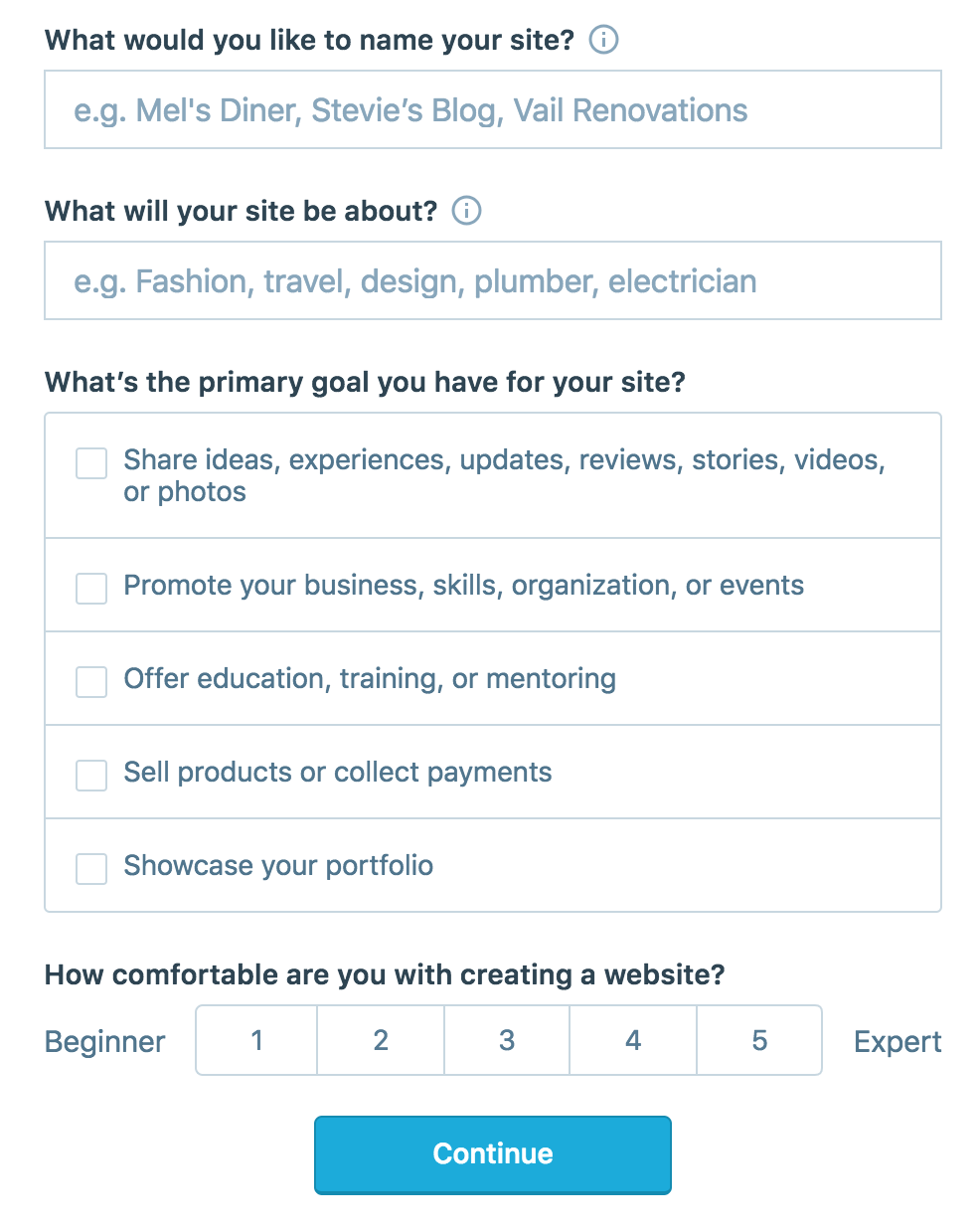
On the site, it will ask you for a site name. That page asks you a bunch of other information too, but you only have to fill out the site name.
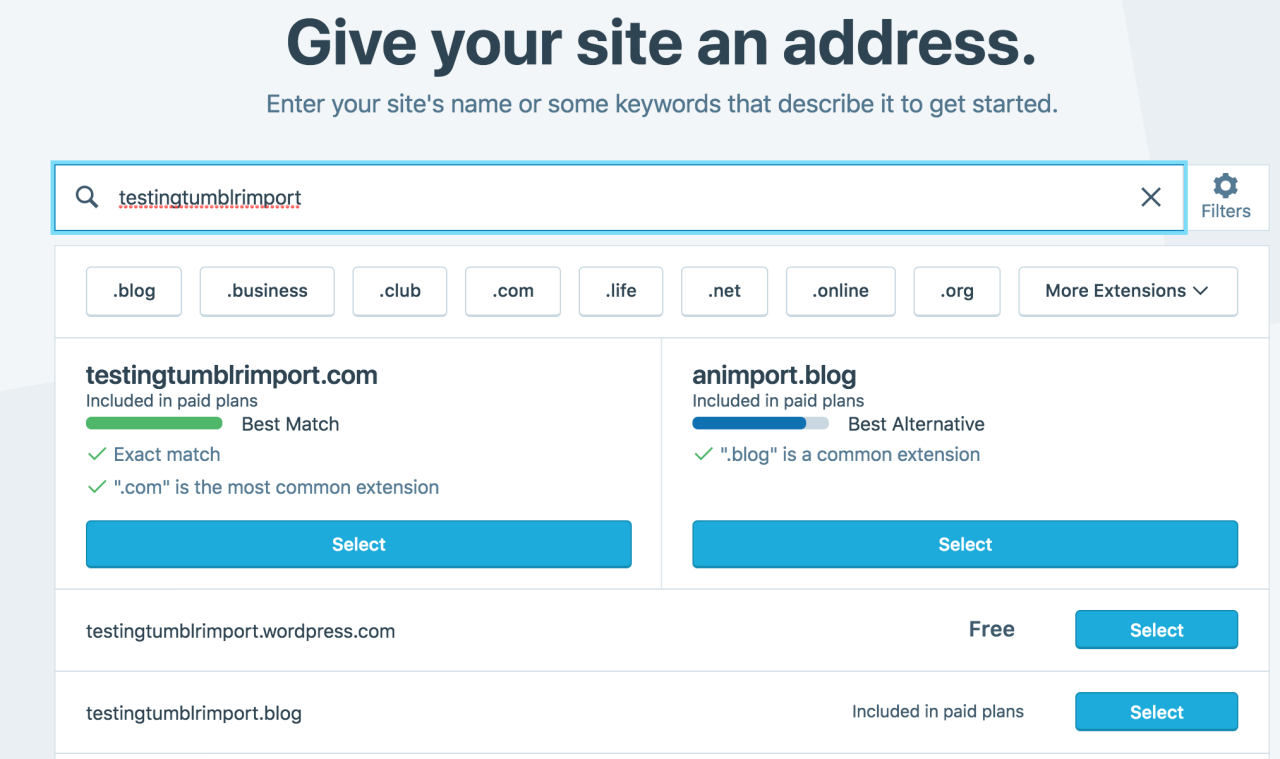
Then you have to give your site a URL. If you’re lucky, your tumblr URL is still available, if not you’ll have to come up with another one, sorry.
It will tell you if that option is still available for free.
Then it will ask you to pick a plan. Free is really good enough, I swear.
Now you’re set up! You can import your tumblr!
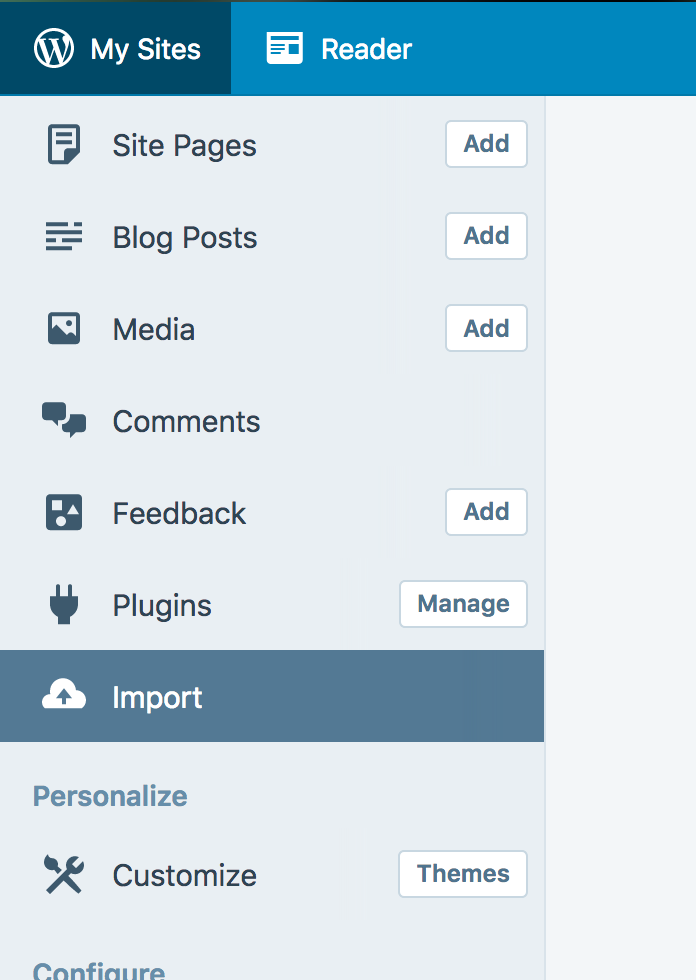
The only differences from the linked tutorial are that the Import button is now on the first level menu, not in tools.
Hit Import, then you have to follow the link for “other importers” at the bottom, to find the option for Tumblr.
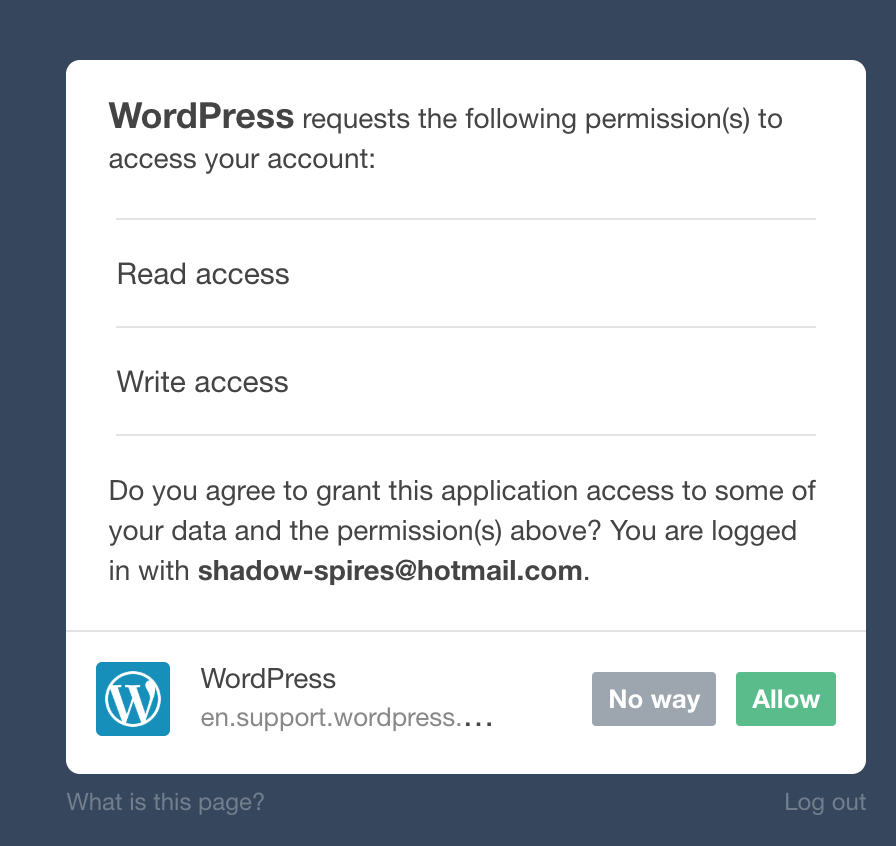
Then you’ll have to sign in with tumblr, using your normal tumblr credentials. You’ll be redirected there automatically.
You’ll have to allow WordPress permissions on your blog.
Then your blogs, including all your sideblogs, will show up in wordpress.
Hit import, wait a WHILE depending on the size of your blog, and you’re done!
ALSO!!
I made my NSFW blog private for now, since I don’t know WP’s policy on NSFW.
This means that to access it, someone has to have an account and request access. But hey, part of our problem on this hellsite has been people going places they aren’t wanted, so I don’t personally see this as a bad thing. They can send a request from the landing site on your blog, you get an email, click a link in the email, and PRESTO, they have access.
To make it private, go to Settings > Reading > Site Visibility. Go back and check, it took me changing the setting twice for it to actually stick.
tl;dr, you can import your entire blog to wordpress in just a few steps.
I’m going to tag the hell out of this, in no particular order. PLEASE reblog this and spread the word so people know it’s an option. If you’re having trouble, PM me, and I’m happy to help.
2009 – GeoCities shuts down, taking old fannish websites
2010 – FFN forums deleted
2011 – Delicious destroyed by Yahoo’s incompetence
2012 – major FFN crackdown on porn
2014 – Quizilla shuts down
2015 – Journalfen’s servers become fully robust, deleting Fandom Wank
Didn’t quizilla have purges before finally shutting down? And I know basically every vidding home hot destroyed, repeatedly taking out the entire history of vidding online.
… they deleted Fandom Wank???
Well, not specifically. Journalfen failed completely and has never come back. FW was on Journalfen, so while you can see some entries on the Wayback machine, I think (?), the long comment threads aren’t archived.
2007 – Youtube starts using its “content ID” system to identify (and block) works that include copyrighted material in their database.
2009 – Greatestjournal shuts down, taking down fandom’s biggest collection of blog-style RPGs
2012 – Megaupload shut down by FBI; some (many?) fanvid archives lost
I thought there was also some kind of purge at Deviantart, but I don’t recall the details.
I’d like to remind folks that there was literally wank last month about why do we need the OTW.
Well, this would be why: we sincerely believed in the internet values of a decade or two ago, which involved owning our own servers if we wanted to see our projects remain stable, in the long term, online.
Worth mentioning: Yahoo purchased GeoCities, and was behind the decision to shut all those sites down.
Yahoo’s incompetence destroyed Delicious.
Yahoo owns Tumblr.
1356: 50% of monks.
People just… completely forget. I was there for all of the bans on fanfiction.net. You don’t know panic until you go to log in one morning and find out a bunch of your works have been deleted, gone forever, because some asshole arbitrarily decided that they wanted to ban something.
AO3 IS IMPORTANT. IT MATTERS.
2016 -y!gallery an archive of m/m art and stories, original and fanfiction was completely destroyed and all works were lost
Y!gallery itself was originally built in response to Sheezy art banning adult themes in 2005
Deviant Art in my experience says it doesn’t allow porn but will allow erotic art of women to reach the front page, straight male gaze gets a pass. Art focused on men is more likely to get deleted.
A lot of things destroyed by anti-porn rules are really anti-porn not made by and for straight men. It’s women’s and queer folks work that is demonized.
^^^^^ i actually tested this when i was on DA. I drew a bunch of s*xually e*plicit vag*nas and d*cks and the d*cks were removed within 24 hours. the vag*nas were never reported.
these bans are attacks on women and queer/LGBTQ people. the straight male gaze is apparently the only legitimate n sfw view
2010 ish (?) – deviantART purges adult fanfiction (I only very vaguely remember this one, because I’ve never been a dA user and it happened during my fannish hiatus, but there is some incomplete info on Fanlore. If you remember more about what happened, please help edit that page!)
Fandom purges are almost never just about one thing. Fannish content both relies on fair use exemption and is frequently sexually explicit, so it gets attacked on both copyright/legal grounds (thank you, OTW Legal Team, for protecting us!) and TOS/hoster rules about porn/specific fictional content (thank you, AO3, for being an open archive!). On top of that, there is a nontrivial history of fannish content being lumped in with content that criticizes authoritarian governments, and targeted by sweeps by those governments and their censorship agencies when they purchase or put pressure on the commercial entities that own the servers (thank you, OTW, for being a nonprofit and owning and defending our servers!).
If you care about fannish content, you have to fight for fanfic on all three fronts. And if we hop off of HTTP and onto one of the decentralized protocols like dat et cetera, like people are starting to talk about in response to Article 13 and the Tumblr purges, we will inevitably be targeted along with a) people pirating media, b) porn distributors, and c) anti-government protestors, because those groups are also going use those protocols, too. I’m not saying, don’t think about migrating. I’m saying: there is a systemic problem within fandom, regarding the fact that we routinely get hit on three fronts: legal rights to the material we transform, sexual content, and governmental disapproval. Protecting fandom means fighting for fandom on all three fronts and putting thought and effort into how to make an archive robust against all three prongs of the attack.
This is what’s made AO3/the OTW so special: we have lawyers protecting our right to make what we make, we have a TOS that protects our right to make things that are sexually explicit, and because the OTW is a nonprofit, it’s more robust to the pressure that can be brought to bear upon commercial entities by both corporate and governmental powers (though, I note, especially when it comes to governments, it’s not immune, and we have to keep actively protecting it, and we have to protect other fans). If you are in fandom but you think that copyright upload filters are fine, because, well, you don’t want to put fanvids on YouTube, you are part of the problem. Your community is under attack. The powers that be have always come for us by attacking us in pieces, and we have always only ever successfully fought back by banding together.
Never forget this. There are certain kinds of content people don’t want you to make, and everyone expects that to be “graphic rape” or some thing that is at least arguably Not Great
but more often than not it ends up just “gay.”
Censors. Are. Lazy.
No matter what you don’t like or what you’d rather not see, never forget that censors are lazy.
Hey! Mod 3 replying to this one (if the other 2 mods have read it please do
chip in). Sorry for the late reply to this, but I wanted to finish the first
book before replying to you. I’d be happy to discuss all three once I’ve
finished them, which should be soon.
So, two things that influenced my review of the first book, The Monogram
Murders (I’m reading the second one, Closed Casket, right now.)
Spoiler free for the most part apart from one pertinent bit that doesn’t really
surprise anyone paying attention:
First thing: I want to thank you for sending this message, because I
initially saw these books a few years ago, and just… ignored them. They
weren’t something I’d have picked up – ever since reading the irritation that
was Jeeves and the Wedding Bells by Sebastian Foulkes, I tended to sneer
at any ‘new plot/new author’-published works, like the various Sherlock Holmes
sequels or Bond stories that various authors have published. I’d consider them
basically fanfiction, and the way I saw it, I’ve read excellent fanfic online,
so why should some fanfic get published because the author’s voice was bigger,
or they were the ‘right’ kind of fanfic writer, or they had connections to
the original estate, and some fanfic not? (Like I said – JATW was a seriously annoying book for me, and influenced how I saw these others. It
literally has Jeeves trying to marry Wooster off, it’s annoying and
heteronormative as hell) I shouldn’t have ignored these. They’re so much fun.
I’m actually sad that I left these so long without reading them, just because I
pre-judged them.
Second thing – I made the mistake of reading some of the reviews of some
very… uh, traditional Christie fans towards the first book. And
specifically, their reactions to the fact that Sophie Hannah has created an OC
to be Poirot’s sidekick, Hastings obviously still being in Argentina in this
timeline. And their rage – or at least one of their rages – was centered around
the implication that this detective sidekick, Edward Catchpool, might *gasp*
be gay. Not even living it large with lots of boyfriends, or even one
boyfriend, or having dastardly gay sex on every other page. He merely alludes
to not fancying women and has an internal discussion about a crisis of love.
And their homophobic rage just drips off every review. And so, I decided to
stan for these books out of sheer spite. At first I merely liked them as a fun
yarn – now I’ve decided to insist they’re the bee’s knees, the cat’s pyjamas,
solely because of some asshole homophobes who decided they were the gatekeepers
of what constituted “true” detective fiction. Spite-stanning, it’s a thing. (EDIT: having now finished Closed Casket – someone who ships Gathercole and Catchpool come talk to me)
Anyway – the actual review. This book is not Christie. It’s not
like her voice, and this is a good thing. The problem with fanfic is it
often tries to cleave to the original author’s voice too strongly,
and this leads to it coming off as fake, offputting. You can never truly
imitate someone else’s writing style, so any little discrepancy will send the
story into the literary equivalent of uncanny valley. Sophie Hannah doesn’t
even try, but instead makes a choice to concentrate more on making it in the ‘style’
of the original author, to conjure up the atmosphere of interbellum London. And
that seems to have enraged a lot of Amazon reviewers, who seemed to expect
actual Christie. For my part, I think this choice works. Catchpool isn’t
Hastings. He’s a character of his own, and despite a shaky start you do grow
fond of him, and he works well as a narrator for this new, retired Poirot.
I initially found his character a bit annoying – without giving too much
away, he’s a bit wet at first when confronted with three bodies, and is
supposed to be a novice inspector… but even for a novice he does do some dreamy
stuff. You get the impression this is a character on the verge of growth – in fact,
this is lampshaded by Poirot when he says he wants to make a good inspector of
Catchpool and therefore won’t just spoon-feed him the way he did Hastings… but
by gods, his character development does take some time. He isn’t completely
dim, which is good because as ever this kind of character is meant to be a
stand-in for us, the audience, and it’s nice to not have everything overexplained.
I hope he continues to become a better policeman in the next two books.
The story switches between Poirot’s and Catchpool’s perspectives, and it’s a
risky move that pays off. You do get the feeling that this is an older, retired
Poirot, more genteel and slowed down, but the pace of the book is still great.
The twist-upon-twist at the reveal was done really well, and just when you finally think you know the murderer, it
twists again… and you’re left unable to put the book down. Which is what
Christie would have wanted, I think. This aspect seems quite influenced by the
David Suchet TV adaptations (that guy can’t be the killer, there’s still 15
minutes left of the show!) but it works in book format, too.
I also really appreciate that this stuck to one cardinal Christie rule –
everything used by the detective to solve the murder HAS to appear on the page
at some point before. Even if it’s just a vague mention. You find yourself
going back frantically to recheck tiny details. The plot itself is original
enough, and though I started yelling at the page really early on about a
certain theory in the book when a crucial difference was remarked upon (cos you
know, there’s some tropes you just know when you read a lot of detective
fiction) but besides that, I was pleasantly entertained.
The author commentary on social issues is sparse, but just as with the
original Christie there’s a few lines, underlining that Poirot is a foreigner
in England, and that has got some social implications, and people do behave in
certain ways. It’s subtle, but good.
Tl:dr version – I liked these books. They’re not exactly Christie’s style,
but they stand well enough on their own. I’d actually even read a spinoff (I
guess original fiction) with this sidekick, as he grows up.
“Steven Caple Jr., the director of Jordan’s next film, Creed II, calls this moment of black solidarity in Hollywood a ‘movement.’ During the filming last March, Jordan and Caple often talked about black historical figures whose stories might make a great movie or TV series, like Fred Hampton, the Black Panther who was murdered in his apartment in 1969, or Mansa Musa, a Malian historical figure of the 14th century known to many African-Americans but virtually unknown to white people. Musa was reputedly one of the richest men in the world. ‘When people look at black people it’s hard for them to think beyond slavery,’ says Caple.
“’We don’t have any mythology, black mythology, or folklore,’ Jordan explains to me as we cruise past billboards for Atlanta and HBO’s Ballers in West Hollywood. DJ Khaled’s ‘I’m the One’ is on the car stereo, and I notice Jordan’s iPhone alias is ‘Bruce Leroy,’ the black martial-arts hero of the 1985 film The Last Dragon. ‘Creating our own mythology is very important because it helps dream,” says Jordan. “You help people dream.’”
Context. I’m assuming he meant we don’t have any Black mythology/folklore in TV and films. It’s half true. There have been movies made, but it’s only a very small handful. Films like Eve’s Bayou, Daughters of the Dust, and Beloved (an adaptation of Toni Morrison’s book of the same name) quickly come to mind that contain folkloric/mythological elements.
The way the writer for Vanity Fair left his statement lingering and didn’t ask further questions so he could fully flesh out his thoughts without leaving one to guess what he was referring to since the mention of popular tv show billboards followed his statement is failed journalism. White journalism. TF we need to know about what was on the radio and his phone in that moment?!…
Here’s some further readings about Black folklore / mythology:
The tweet that mentions the film, To Sleep With Anger, here’s the full thread. Insightful and very detailed.
The Origin of Zombies and More: “Zombie folklore has been around for centuries in Haiti, possibly originating in the 17th century when West African slaves were brought in to work on Haiti’s sugar cane plantations. Brutal conditions left the slaves longing for freedom. According to some reports, the life—or rather afterlife—of a zombie represented the horrific plight of slavery.” (Source: www.history.com)
“The Tragic, Forgotten History of Zombies”: The horror-movie trope owes its heritage to Haitian slaves, who imagined being imprisoned in their bodies forever. (Source: The Atlantic)
Anansi is an Akan folktale character. He often takes the shape of a spider and is considered to be the spirit of all knowledge of stories. He is also one of the most important characters of West African and Caribbean folklore. (wikipedia)
A Boo Hag is a mythical creature in the folklore of Gullah culture. It is a regionalized version of the Hag myth. According to the legend, Boo Hags are similar to vampires. (wikipedia)
It’s been a crazy few weeks around our house as we prepare for some major life changes. We recently made the decision to sell our home in the city and purchase an amazing plot of land to begin our own little homestead. It turns out that the road to the simple life is anything but.
The process of selling, buying, permitting, and building is time consuming, tiring, and enough to give anyone a serious headache. I wish I could just snap my fingers and teleport to a perfect little farmhouse in the woods, but until then weekend trips to the farm are enough to satiate my thirst for a slower paced life amongst the tress.
Our largest motivating factor for the move is to provide a different upbringing for our girls. We want to create a life that is purposeful, sustainable, and connected with nature. A large part of that has been identifying a plan for their education, which has been leading me to explore a whole new world of homeschooling philosophies.
If you had asked me five years ago if I would ever homeschool my girls, I probably would have laughed. At the start of my career, I believed wholeheartedly in the public education system. After teaching everything from remedial to advanced placement courses in one of the most celebrated school districts around, I’ve developed some serious issues with how educational policy is handled in America.
Don’t get me wrong – I can name plenty of phenomenal, dedicated teachers off the top of my head, and I can list an equal amount of students that I have seen grow, learn, and mature under the guidance of well-trained educators. But I’ve also seen so many fall through the cracks. To no discredit of the teachers, the demands of our public schools and the government agencies running them are simply overwhelming. The continued slicing of funding and increasing of achievement standards are a recipe for failure and I want my children to have no part of that convoluted system. *steps off soapbox*
In making this huge decision, I’ve had to consider the individual needs of my babies, and weigh who is best equipped to provide for those needs and how. Ashtyn in particular is the gentlest, most sensitive soul that the world has ever seen. She is introspective and contemplative in a way that I’ve never witnessed in a toddler her age. She feels emotion in such deep and genuine ways that it’s almost hard to believe. While these qualities make her the sweetest sister and most compassionate friend, they also make her susceptible to some pretty serious anxiety.
Having been home for a year and able to observe her learning style, social habits, and general personality, I think that she would benefit greatly from home learning. While I’ve had professional training as an educator (both in preschool and high school) this really is a new realm for me. Teaching a classroom of 30 students for 90 minute incriments is infinitely different from being solely responsible for the entire education of a single child (or pair of children in my case!)
I’ve started to do a lot of research about different philosophies and curriculums, and I’m finally starting to get a sense for what direction I hope to move in in the coming months. I’m currently reading Home Grown by Ben Hewitt and I’m finding affirmation in a lot of his ideas about nontraditional approaches to education. One of the things that has stuck with me most is “to call into question the wisdom of convention requires a degree of self-assuredness that rarely survives the eroding impact of standardized, hierarchal education. Such questioning also places one in the uncomfortable position of cutting against the cultural grain, of being perceived as arrogant, eccentric, perhaps even dangerous,” While Jeff and I have gotten a lot of support for our new venture, we also have plenty of people in our lives that are doubtful of the journey we are undertaking. I hope to be an example to our girls of bravery in the face of stifling convention and show them through our actions that the world is full of beautiful possibility if you’re willing to take risks and work hard.
I plan to blog more frequently about our adventures in homeschooling, homesteading, and just everyday living. While the road ahead seems daunting at times, I’m finding strength in the fact that I truly 100% believe this is what’s best for my girls. I’m sure that the coming weeks, months, and years will hold a lot of incredible memories and hilarious misadventures for our little family. I’m looking forward to sharing a little insight into those moments with this amazing community that we’ve found through the blog.
I’d love to hear from other families working through these same choices, any questions that people have, or just a “hello” from you amazing people out in in the internet world. I so appreciate having this blog as a sounding board and am looking forward to sharing more soon!







 Spitfire Alice A Gra
You must be logged in to post a comment.